

Army Nurse Corps
Army Nursing - ROTC and WKU School of Nursing
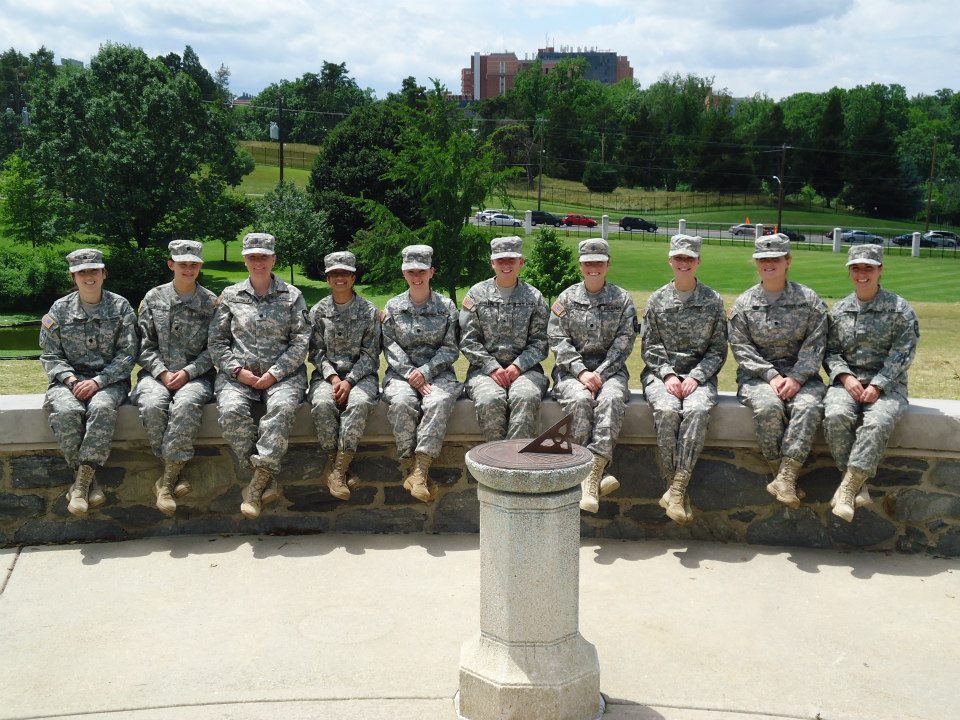 If nursing is your professional goal, there is no better place to begin your career
than in Army ROTC. Army ROTC offers you a unique opportunity to gain practical experience
while you receive financial assistance for college.
If nursing is your professional goal, there is no better place to begin your career
than in Army ROTC. Army ROTC offers you a unique opportunity to gain practical experience
while you receive financial assistance for college.
As a ROTC nursing student, you will be able to combine college electives in military science and invaluable nurse summer training experience with your regular nursing program. You will develop your professional skills while you learn some meaningful things about yourself and what you can accomplish. Upon completion of the program (and provided all prerequisites are met), you will receive a commission as an officer in the Army Nurse Corps, ready to take on the challenges of your profession.
Advantages of Army ROTC
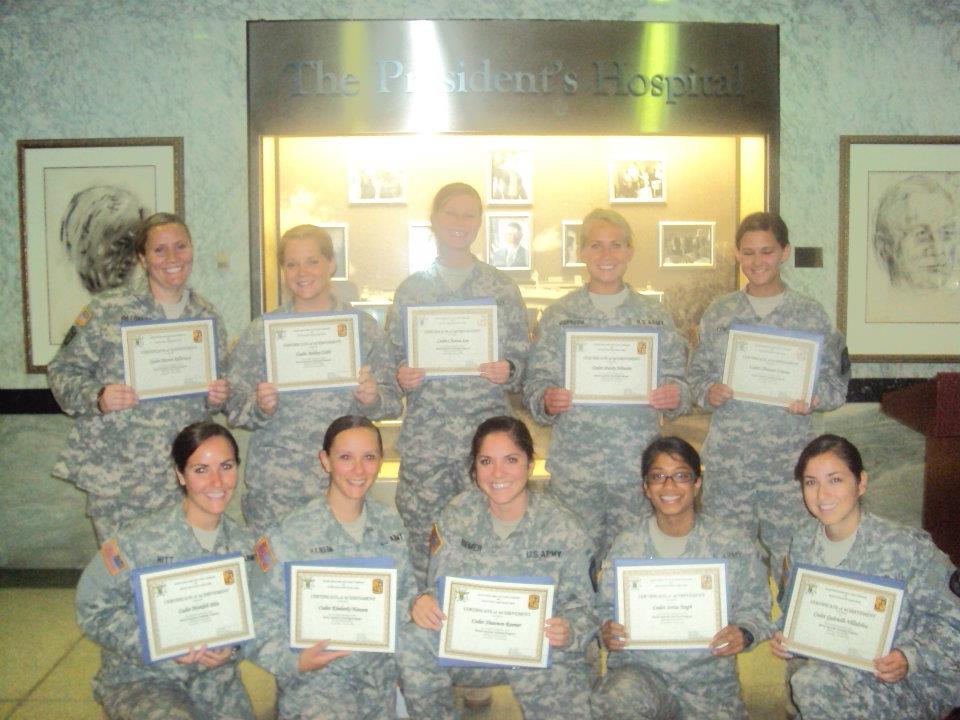 Experience: You will not find anywhere else the kind of direct, hands-on experience
you will receive in ROTC training. You will be given significant responsibilities
early in your career.Leadership: An officer is a leader. That's why leadership and
management is stressed as part of the ROTC nursing program. The Army provides nursing
students with unique training to develop the kind of skills that will help you take
command and be more competitive.
Experience: You will not find anywhere else the kind of direct, hands-on experience
you will receive in ROTC training. You will be given significant responsibilities
early in your career.Leadership: An officer is a leader. That's why leadership and
management is stressed as part of the ROTC nursing program. The Army provides nursing
students with unique training to develop the kind of skills that will help you take
command and be more competitive.
Nurse Summer Training Program
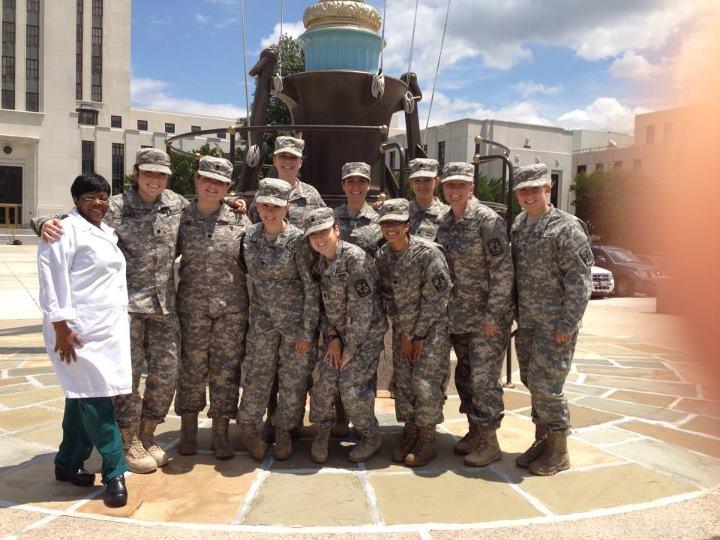 One very unique opportunity offered to ROTC nursing students is the Nurse Summer Training Program. NSTP is a paid training program normally attended the summer after your first medical
surgical clinical, or your junior year of college. It consists of clinical training
held in multiple areas of the hospital that will provide opportunities to develop
and practice your leadership skills in an army medical environment.
One very unique opportunity offered to ROTC nursing students is the Nurse Summer Training Program. NSTP is a paid training program normally attended the summer after your first medical
surgical clinical, or your junior year of college. It consists of clinical training
held in multiple areas of the hospital that will provide opportunities to develop
and practice your leadership skills in an army medical environment.
You are assigned an area and a preceptor who will also be an army nurse. While you
follow the same duty schedule as your preceptor, you could receive training in such
areas as assessment of vital signs and observations... planning of patient care...nutrition
maintenance/feeding techniques...range of motion and mobility...respiratory needs...medication
administration...emergency procedures... intravenous (IV) therapy, and other special
techniques not normally allowed in a civilian hospital.
By summer's end, NSTP will have shown you a preview of the real world of nursing,
developed your professional skills and given you valuable insights into your abilities.
You will be well ahead of your nursing peers in the civilian setting!
Continued Education Opportunities
Nursing is a dynamic profession. Skills and professional knowledge must be constantly
updated. The Army Nurse Corps recognizes that earning your BSN is an achievement to
be proud of and is committed to providing educational opportunities so you may continue
to enhance your abilities, interests and knowledge.
Once you become an Army Nurse, you may apply for specialty courses such as:
• Psychiatric/Mental Health Nursing
• Pediatric Nursing
• Perioperative Nursing
• Obstetrical and Gynecological Nursing
• Critical Care/Intensive Care Nursing
• Emergency/Trauma Care Nursing
And once you have obtained career status and met eligibility criteria, you may apply
for selection to graduate degree programs such as Anesthesia Nursing or Health Care
Administration, or graduate education at the school of your choice.
ROTC Makes a Difference
ROTC enhances your education by providing the unique leadership and management training,
along with the practical experience needed for success, either in the Army or in a
civilian career.You will develop good judgment and self-confidence. You will gain
the ability to analyze situations quickly, to make decisions and to understand what
it takes to carry them out.
You will graduate from college with a baccalaureate degree and the honor of being
a commissioned officer in the Army Nurse Corps (ANC).
Army ROTC will give you a valuable opportunity to build for the future.
Military Science and Leadership
Diddle Arena 2027
1605 Avenue of Champions,
Bowling Green, KY 42101-1030
(270) 745-4293
Additional Information
Some of the links on this page may require additional software to view.